
The Role of Dashcams in Providing Evidence for Accident Cases
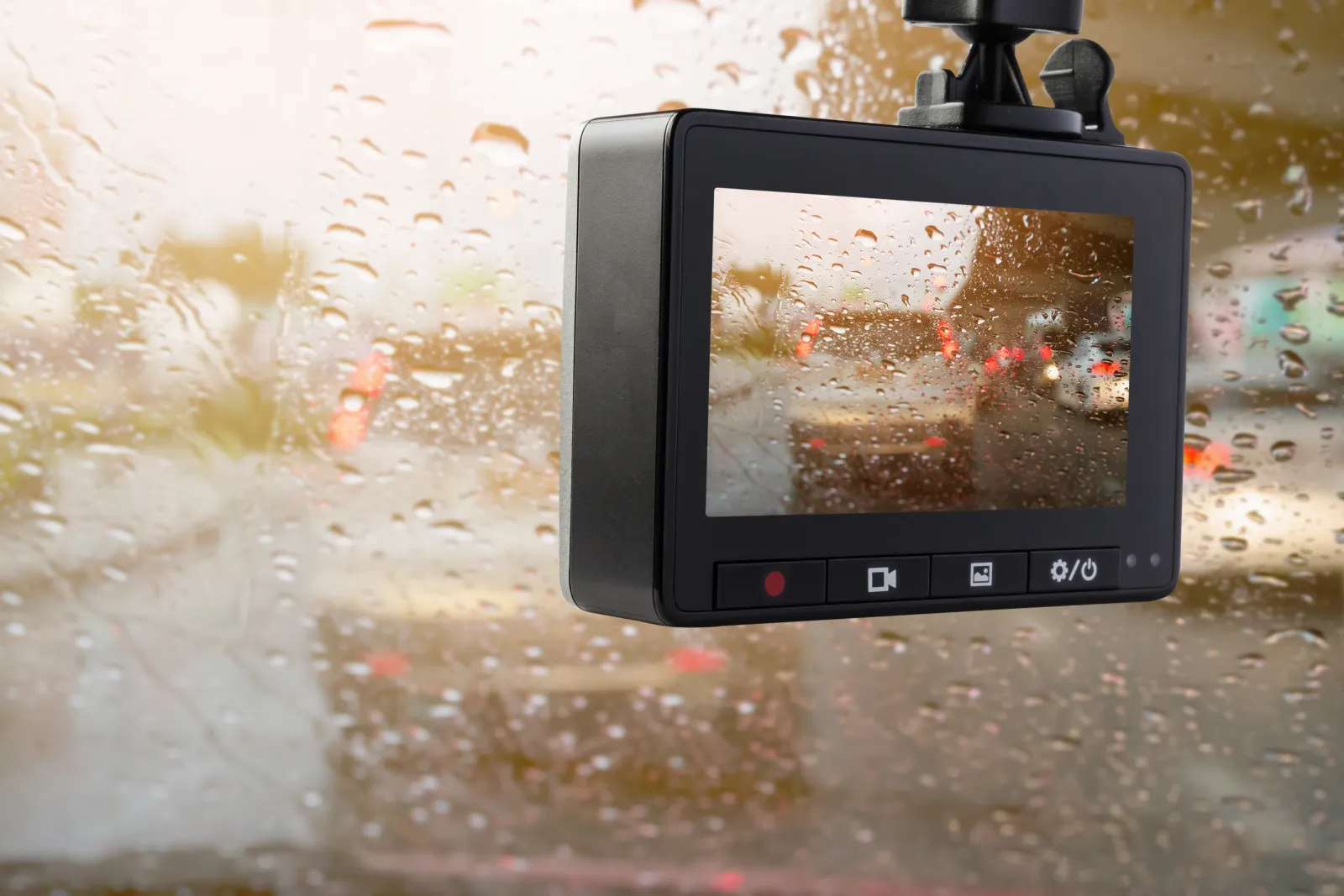
In motorcycle accident cases, evidence makes all the difference. The more objective evidence you have that highlights events leading up to a collision, the incident itself, and any interactions after the fact, the stronger your position in insurance claims, lawsuits, and actual courtrooms. But dashcams can only provide that vital motorcycle accident footage if you choose the right cameras and handle the footage appropriately. Learn more about the basics here, and then contact Steelhorse Law for more detailed advice regarding accident cases.
The Benefits of Dashcam Evidence
While many motorcycle drivers know that a dashcam is a useful accessory to have, drivers often put it off or hesitate to actually install a long-lasting, robust dashcam on their motorcycle. Understanding the full benefits and the degree of protection it can provide should move the purchase to the top of your priority list. Consider these benefits:
- Establish Fault: Dashcams provide a clear view of the scene. It acts as evidence if you need to make a case against a vehicle driver or other party that injured you or damaged your motorcycle.
- Clarify Accident Details: In accidents, things happen fast. You can review your footage and share that footage with your legal counsel to ensure you have an accurate understanding of what led up to an accident and how other parties contributed to it.
- Support Insurance Claims: If your motorcycle is damaged but there's no footage, your insurance provider might conclude it was due to an uncovered event. But clear footage can support your claims. You can also use this footage to support insurance claims regarding bodily injury or if you use your motorcycle for covered work purposes.
Ultimately, a camera acts as an unbiased, objective source of truth that can strengthen your account of the events and stop accusations or claims of fault in their tracks.
Potential Limitations and Risks
There are two main challenges to consider when it comes to motorcycle dash cams. First, some cameras are better than others. Low-end cameras might produce blurry or grainy footage that doesn't capture details like license plates, or they may not fully capture events due to limited memory or field of view.
Second, a camera captures what happens, even if you're partially or primarily at fault for the events. The dashcam footage that you provide to your insurance company, share with other parties, or enter into evidence may be used against you if it shows contributory negligence. Before you share footage or even tell other parties that you have it, you need to consult a lawyer to understand your rights and risks.
The Importance of Proper Footage Handling
If you have footage you want to use in your motorcycle accident case, store it carefully and don't touch it more than you have to. Follow these brief tips:
- Don't wait. Pull the footage and save it as soon as possible to prevent it from being lost or overwritten.
- Create a backup of the raw footage and store it in a safe, secure location, either digital or physical.
- Never edit it. Don't crop the footage, change the metadata, or even trim the segment.
- Photograph your dashcam using your phone as soon as possible after the accident. This captures the dashcam's angle and presence.
If you share the footage with law enforcement, insurance providers, or other officials, document who touched it and what happened. This helps maintain the chain of custody.
Consult With Steelhorse Law Before Purchasing a Dashcam or After a Car Collision
If you have dashcam coverage of a motorcycle accident case, share it with your attorney. They can walk you through how to properly handle the footage, how to best use it in your legal case or claim, and what risks the footage may represent to you. Looking for specific answers? Schedule a consultation with Steelhorse Law.
Image credit: // Shutterstock // Kwangmoozaa